Meta tags written by AI. Keywords picked by AI. Articles drafted by AI. Every task on the list is done, the SEO plugin shows green, and organic traffic hasn’t moved. I see this more and more in US accounts I audit.
Work is happening. SEO isn’t. The difference is order and judgement, and neither comes in a prompt.
Key takeaways
- AI is excellent at repetitive SEO tasks and weak at diagnosis and priorities.
- Google says there are no special optimizations needed for AI Overviews or AI Mode. SEO fundamentals still decide it.
- AI summaries change clicks: Pew found users clicked a result in 8% of visits with an AI summary vs 15% without.
- Pages made at scale without value break Google’s spam policies, whoever writes them.
What can AI actually do well in SEO?
The repetitive work
Grouping hundreds of keywords by intent. Drafting title tags and meta descriptions to a length limit. Turning a messy export into a summary. Writing FAQ schema from an existing page. Suggesting internal links. These are tasks where AI saves hours, and I use it for them every week.
First drafts you then make your own
An outline or a rough draft is a fine starting point. It becomes a page worth ranking only after someone adds what AI can’t: real examples, real numbers, an opinion earned from doing the work, and facts checked against their sources.
Where does AI SEO go wrong?
It works on tasks, not on the order of work
SEO has a sequence. Google must be able to crawl and index the site. Each page needs one clear job. The site must be fast on mobile. Content must answer what buyers actually ask. Trust has to be earned through links, reviews and mentions. AI will happily write your fiftieth blog post while your best pages are blocked by a stray noindex tag.
It can’t see your Search Console
Ask an AI tool why your pages don’t rank and you’ll get a general checklist. The real answer is usually in your own data: the Pages report, the queries you almost rank for, the pages competing for the same search. Diagnosis needs your data and someone who has seen the pattern before.
It makes “more” feel free
When pages cost nothing to produce, it’s tempting to publish hundreds. Google’s spam policies define scaled content abuse as many pages generated mainly to manipulate rankings, “no matter how it’s created” (Google Search Central). In March 2024 Google reported that its update cut low-quality, unoriginal content in results by 45% (Google).
How do AI Overviews and AI Mode change SEO?
No special tricks, by Google’s own account
Google’s documentation says there are no additional requirements to appear in AI Overviews or AI Mode, and no special optimizations needed. A page must be indexed and eligible to show with a snippet, and existing SEO fundamentals “continue to be worthwhile”. It also says you don’t need new AI text files or special markup (Google, AI features and your website).
Fewer clicks for some searches
In a Pew Research Center study of 900 US adults’ browsing in March 2025, people who saw an AI summary clicked a traditional result in 8% of visits, compared with 15% when no summary appeared (Pew Research Center). Informational searches feel this most. Searches with buying intent, and brands people search for by name, are better protected.
| SEO task | Give it to AI? | What still needs a human |
|---|---|---|
| Keyword clustering | Yes | Choosing which clusters matter for revenue |
| Title and meta drafts | Yes | Matching the real search and adding a reason to click |
| Article drafts | As a start | Experience, real cases, checked facts, opinion |
| Technical audit | Partly | Reading Search Console and finding the root cause |
| Strategy and priorities | No | All of it |
Your free marketing strategy starts with your numbers
Move the sliders to see what your budget could return. Then get a free strategy built for your business: the right platforms, your budget split and your first 30 days.
Estimates based on Saad's campaign benchmarks across 26 niches. Not a guarantee. Your free strategy gives you a real plan.
Create your free strategy
- The right platforms, and what to post
- Your paid ads plan and budget split
- Your first 30 days, week by week
Want more? Stage 2 Advanced Strategy, USD 20 or hire me and my team for 100% digital coverage.
Which AI SEO mistakes cost US businesses the most?
- Publishing AI pages before fixing indexing. Check the Search Console Pages report first and fix the biggest reason pages aren’t indexed.
- Templated titles across hundreds of pages. One page, one search, one distinct title written for that search.
- Generic content in a crowded niche. Add what only you have: your cases, your numbers, your process.
What does a sensible AI SEO workflow look like?
Monday: data first
Start the week in Search Console, not in a chat window. Export queries where you sit in positions 5 to 20, pages that lost clicks, and anything new in the Pages report. Then use AI to summarize the export and group the queries by intent. That takes minutes instead of an afternoon, and the decisions are still yours.
Midweek: improve before you create
Most sites get more from improving pages that already rank on page two than from publishing new ones. Use AI to draft a better title, a clearer answer at the top of the page and an FAQ section based on the real questions in your data. Then add the parts only you can write: a real example, a number from your own work, the trade-off a buyer should know about.
Friday: check and measure
Read every AI-assisted change before it goes live. Check every fact against its source. Then note what you changed and when, so you can see in four to eight weeks what actually moved rankings and leads. Without that log, nobody learns anything, including the AI.
This routine is unglamorous, and that’s the point. The businesses that win in search in 2026 aren’t the ones with the most AI-generated pages. They’re the ones that use AI to do the boring parts faster and spend the saved time on judgement, experience and quality.
So what should AI SEO look like for your business?
Use AI to go faster inside a plan a person owns. Diagnose with real data. Fix the foundations before you publish more. Write fewer, better pages with real experience in them. Then measure what matters: qualified leads and sales from organic search, not the number of pages published.
Frequently asked questions
Is AI SEO different from regular SEO?
Not in what Google rewards. AI SEO usually means using AI tools to do SEO work faster. The fundamentals of crawlable, useful, trusted pages still decide rankings.
Do I need an llms.txt file or special markup for AI search?
Google says you don’t need new machine-readable files, AI text files or markup to appear in AI Overviews or AI Mode.
Can AI-written pages rank on Google?
They can if they’re genuinely useful. Pages produced at scale mainly to rank, with little value, break Google’s spam policies regardless of how they were written.
Will AI Overviews kill my organic traffic?
Some informational searches get fewer clicks. Pages with clear answers, real expertise and strong brand demand hold up better, and buying-intent searches still send visitors.
Sources
- Google Search Central: AI features and your website
- Pew Research Center, 22 July 2025
- Google Search Central: spam policies
- Google: March 2024 update (updated 26 April 2024)
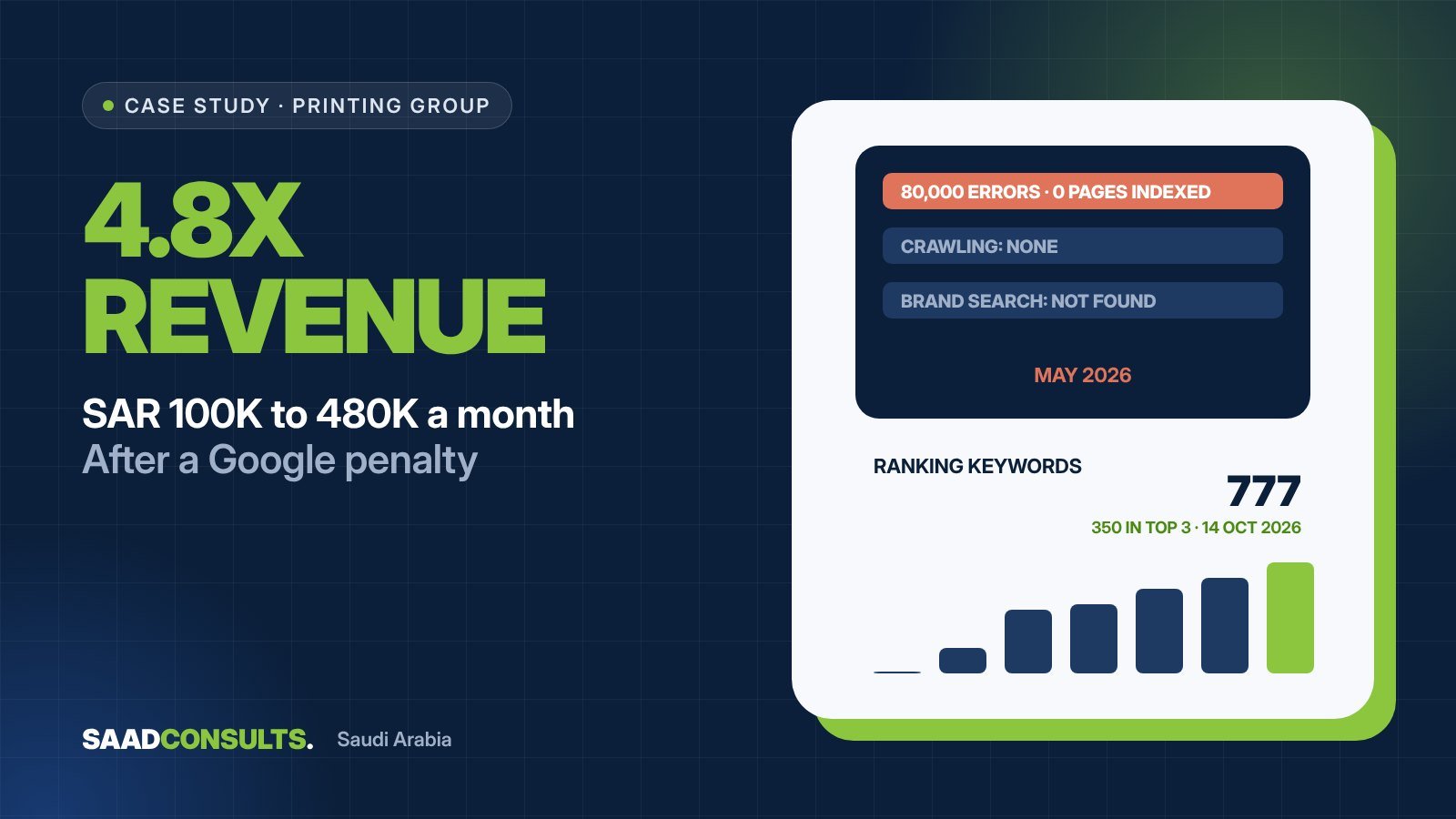
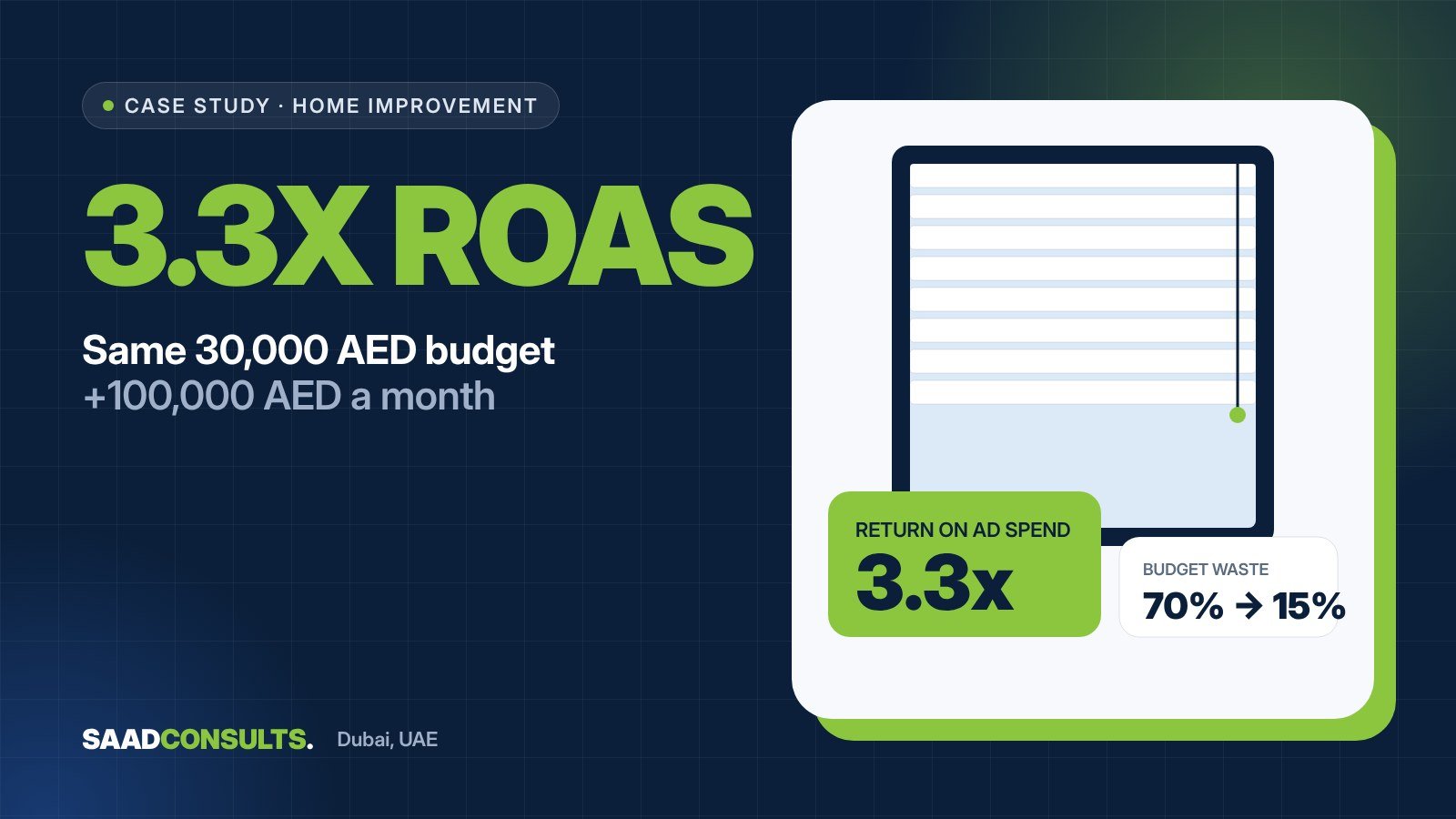
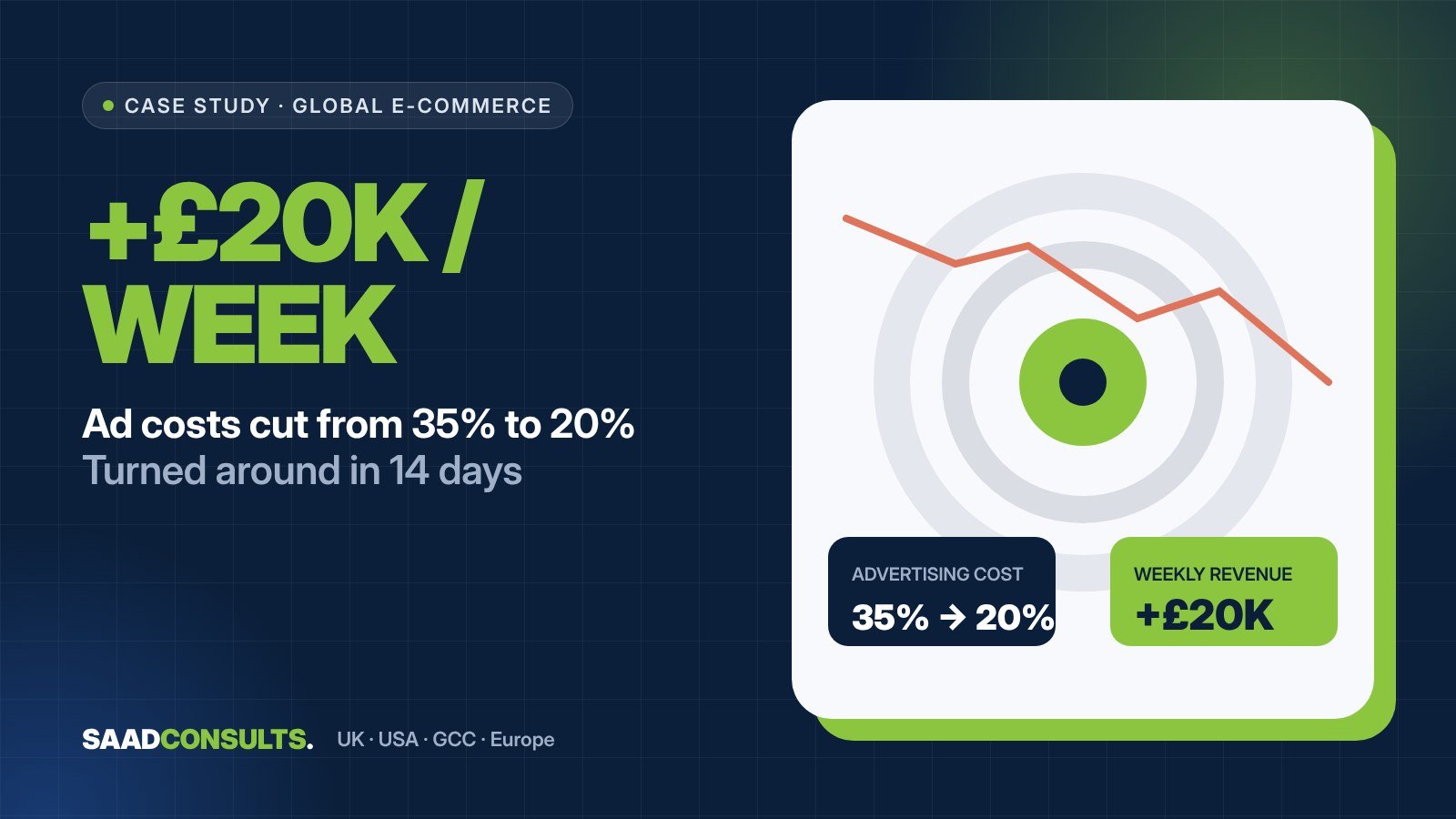
Client results are from my own projects; names are withheld.
If your results with AI SEO look good in the dashboard but not in the bank, that gap can usually be closed. Request a free marketing audit and I will show you where to start, or send me a WhatsApp.

Saad is a digital marketing consultant and business growth strategist with 13+ years of experience, $200M+ in managed ad spend and 600+ clients worldwide. LinkedIn & profile →