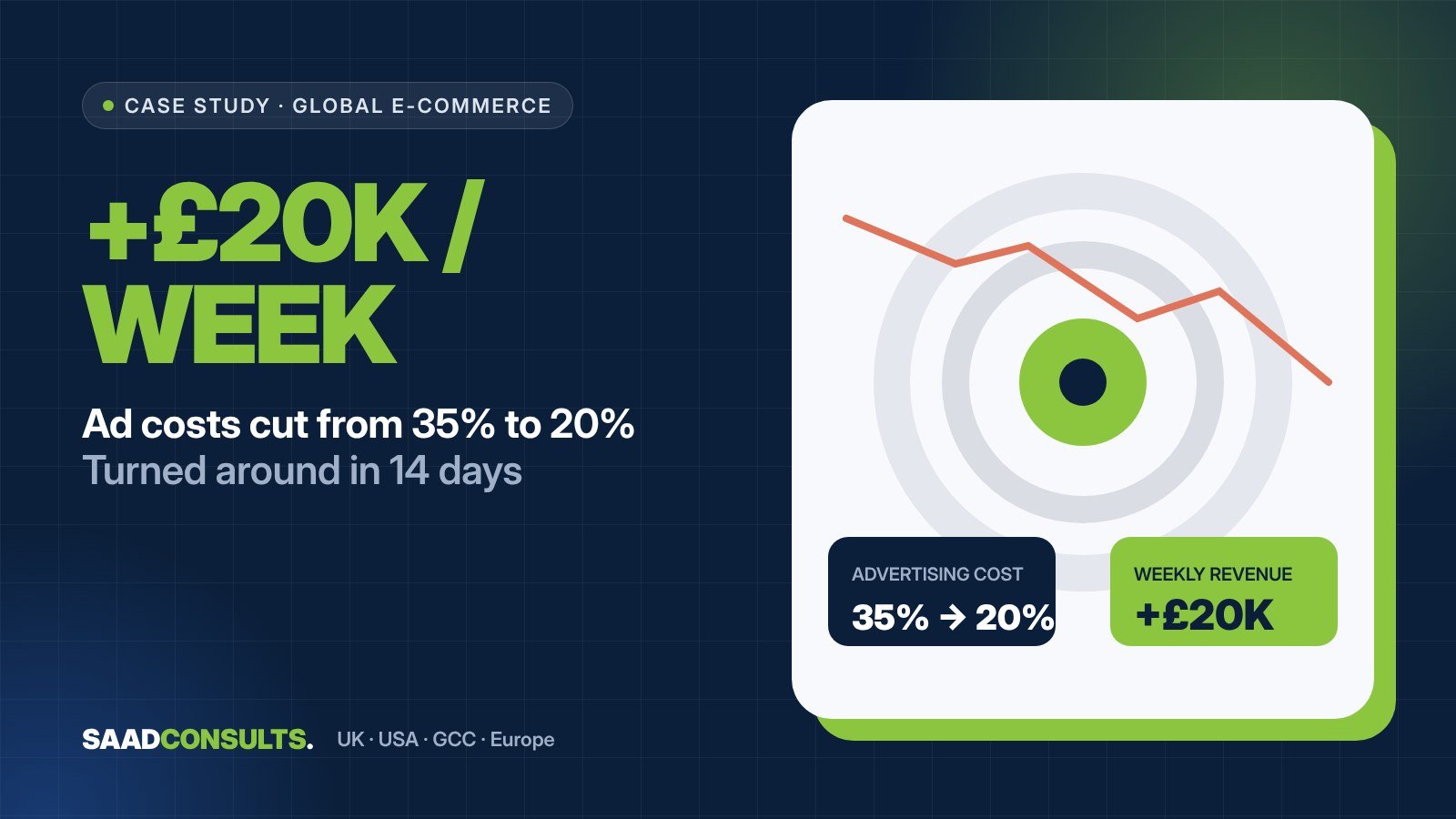
What is a digital marketing case study?
A digital marketing case study is a short, honest record of a real campaign: the problem, the plan, what was actually done and the measured result. The useful ones show the starting numbers, the budget and what changed, not just a headline figure. On these pages I explain the method behind each result so you can judge whether a similar approach suits your own business.
Are these case study results typical?
No result is typical, and I would be wary of anyone who says otherwise. Each case depended on the market, the budget, the product and how quickly the client acted on recommendations. What does repeat is the method: fix tracking first, find where money is leaking, then scale what works. A free audit is the honest way to see what is realistic for you.
How do I know a marketing case study is genuine?
Look for specifics: starting numbers, budget, time frame, the platforms used and what went wrong before. Vague claims like "10x growth" with no baseline are a warning sign. I keep client names private where agreements require it, but the numbers, budgets and methods on my case pages are from my own work, and I am happy to walk you through any of them on a call.
Which industries do your case studies cover?
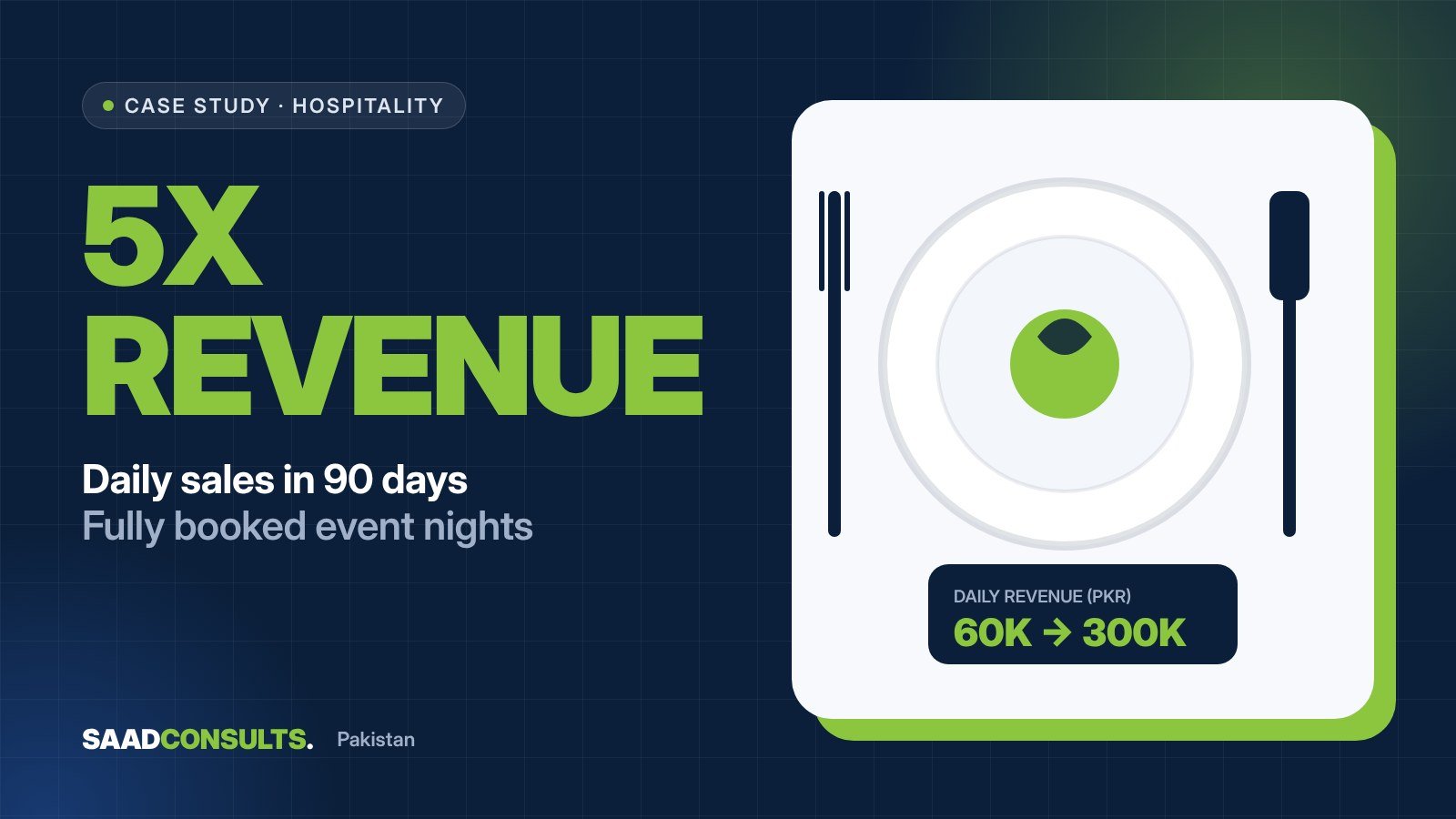
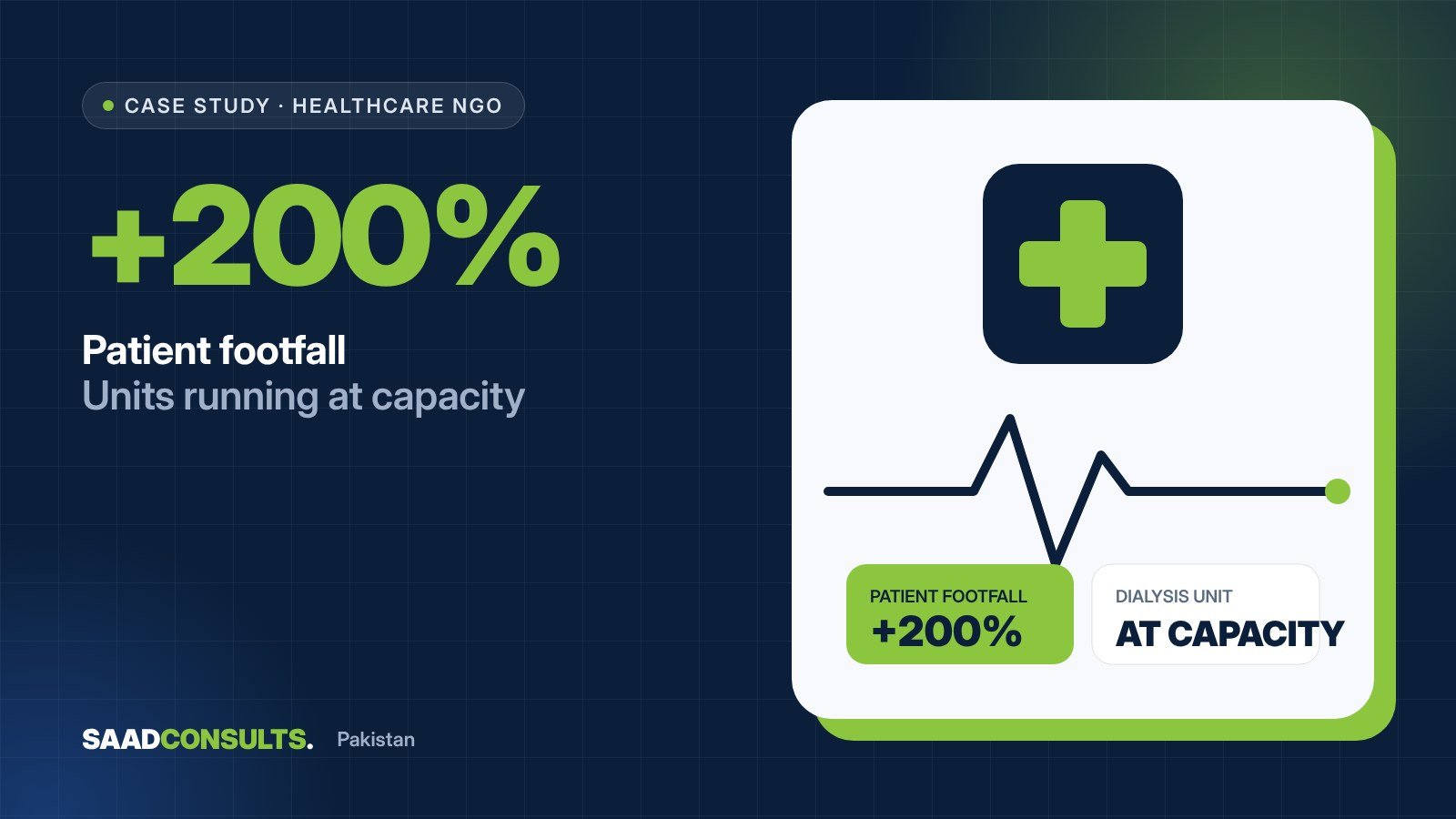
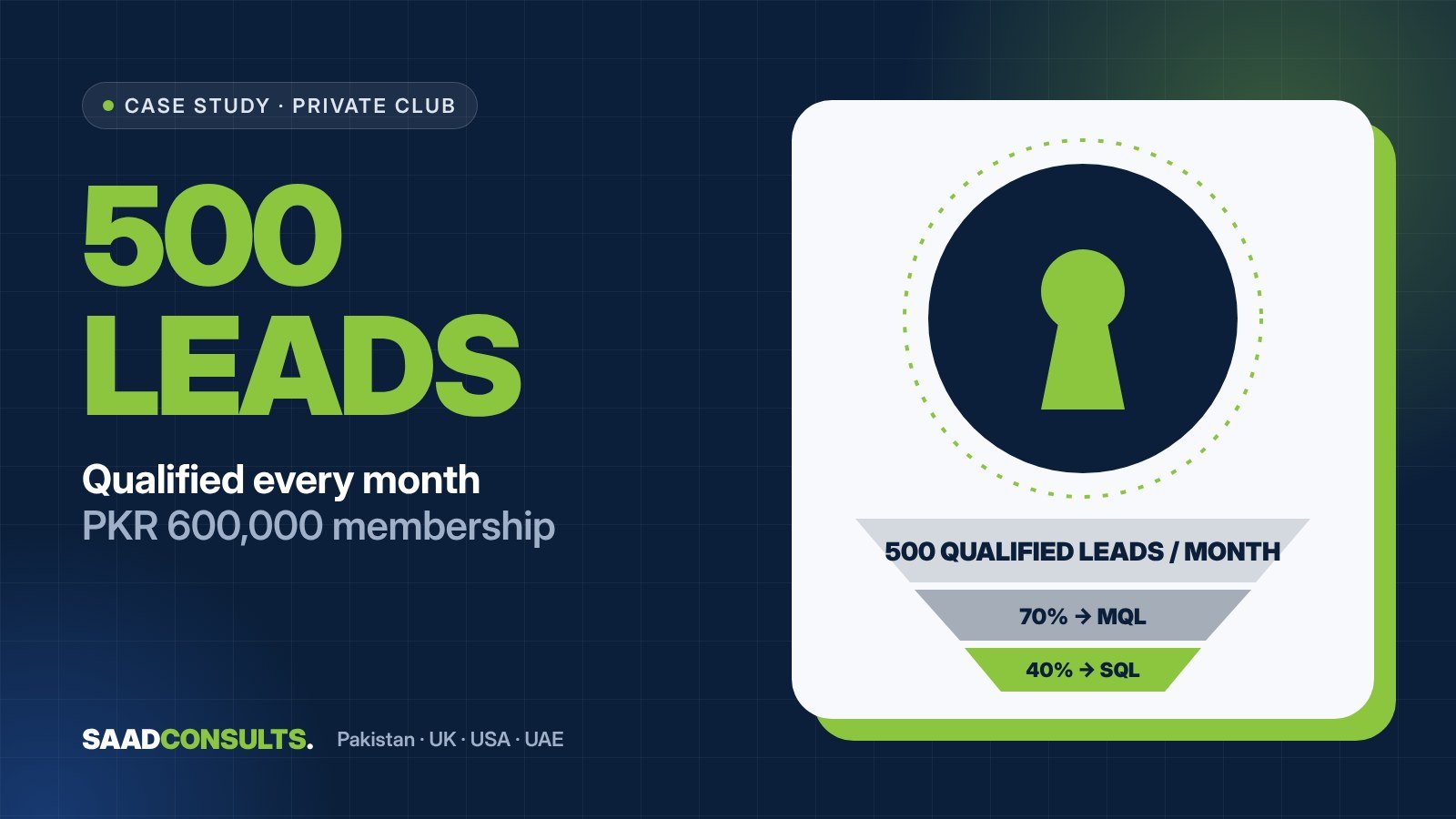
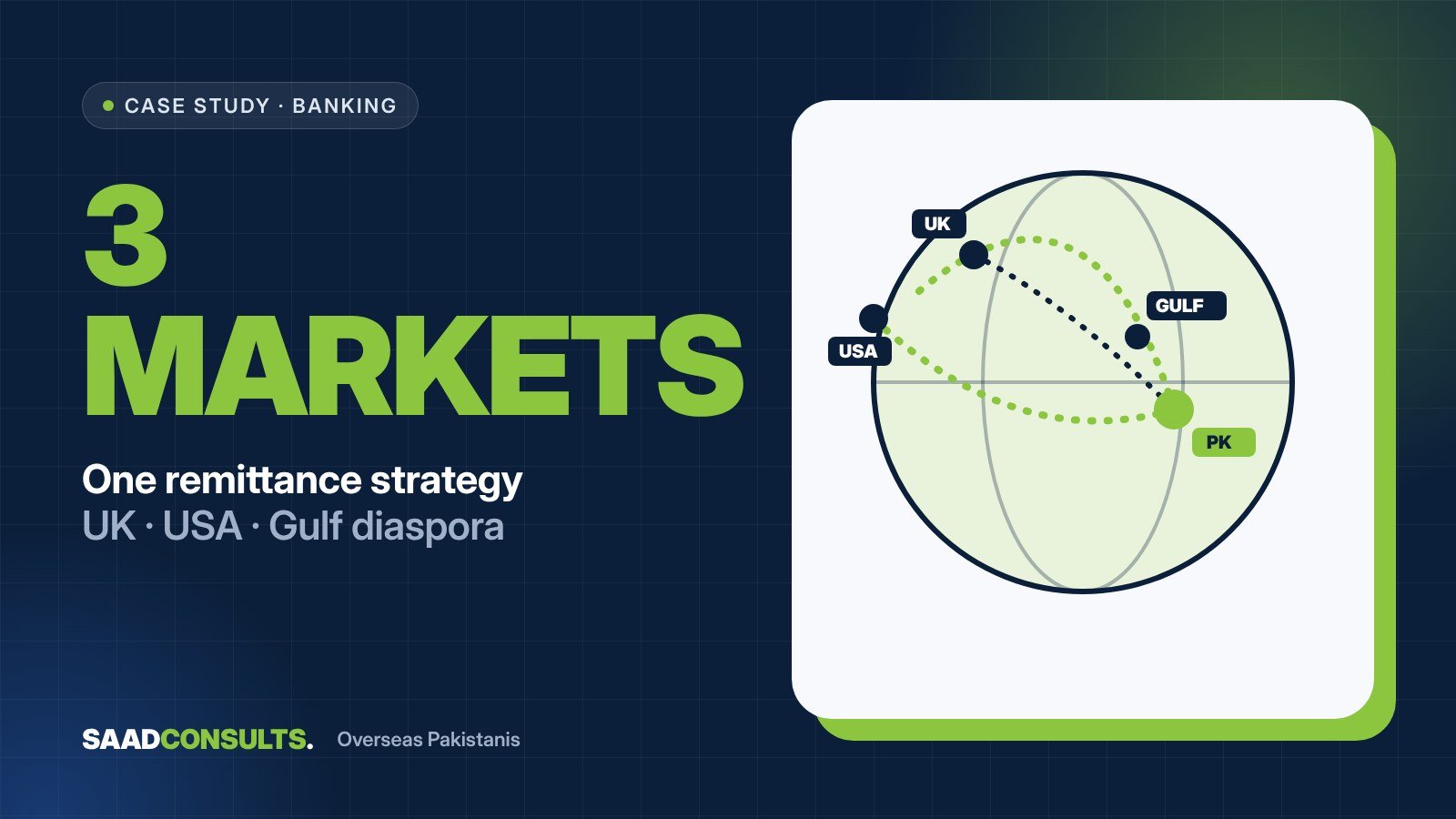
My published cases cover e-commerce, home improvement in Dubai, higher education, luxury fragrance, fine dining, healthcare, a private members' club, luxury architecture and banking. Across my career I have worked in 26+ industries with 600+ clients. If your sector is not listed, the industries page shows where I have relevant experience.
What results can a business in Pakistan expect from digital marketing?
It depends on your product, margins, budget and how well your website and sales team convert. Some businesses see better lead quality within weeks once tracking and targeting are fixed; others need a few months of testing. I do not promise numbers. I start by measuring where you are, then set targets we can track, such as cost per lead, ROAS or confirmed sales.
How long does it take to see results from paid ads?
Paid ads on Google or Meta usually show early signals within two to four weeks, once the platforms have enough conversion data to learn from. Meaningful, stable results tend to take two to three months of testing and refining. In turnaround work I usually aim to stabilise a declining account within about 30 days, but that depends on what the audit finds.
How long does SEO take to show results?
SEO usually takes three to six months to show clear movement, and longer in competitive markets. Technical fixes can produce faster gains, especially when a site has crawl or indexing problems. In one case I reversed an 80% traffic crash for a job portal within 15 days because the cause was technical. My SEO services page explains the process.
What metrics prove a campaign is working?
The metrics that matter are the ones tied to revenue: cost per qualified lead, cost per sale, ROAS, ACOS and customer lifetime value. Clicks, likes and impressions are useful diagnostics but not proof. In most of my case studies the first job was separating real leads from noise, such as WhatsApp taps counted as conversions, so that decisions were based on real outcomes.
Can a small budget still produce strong results?
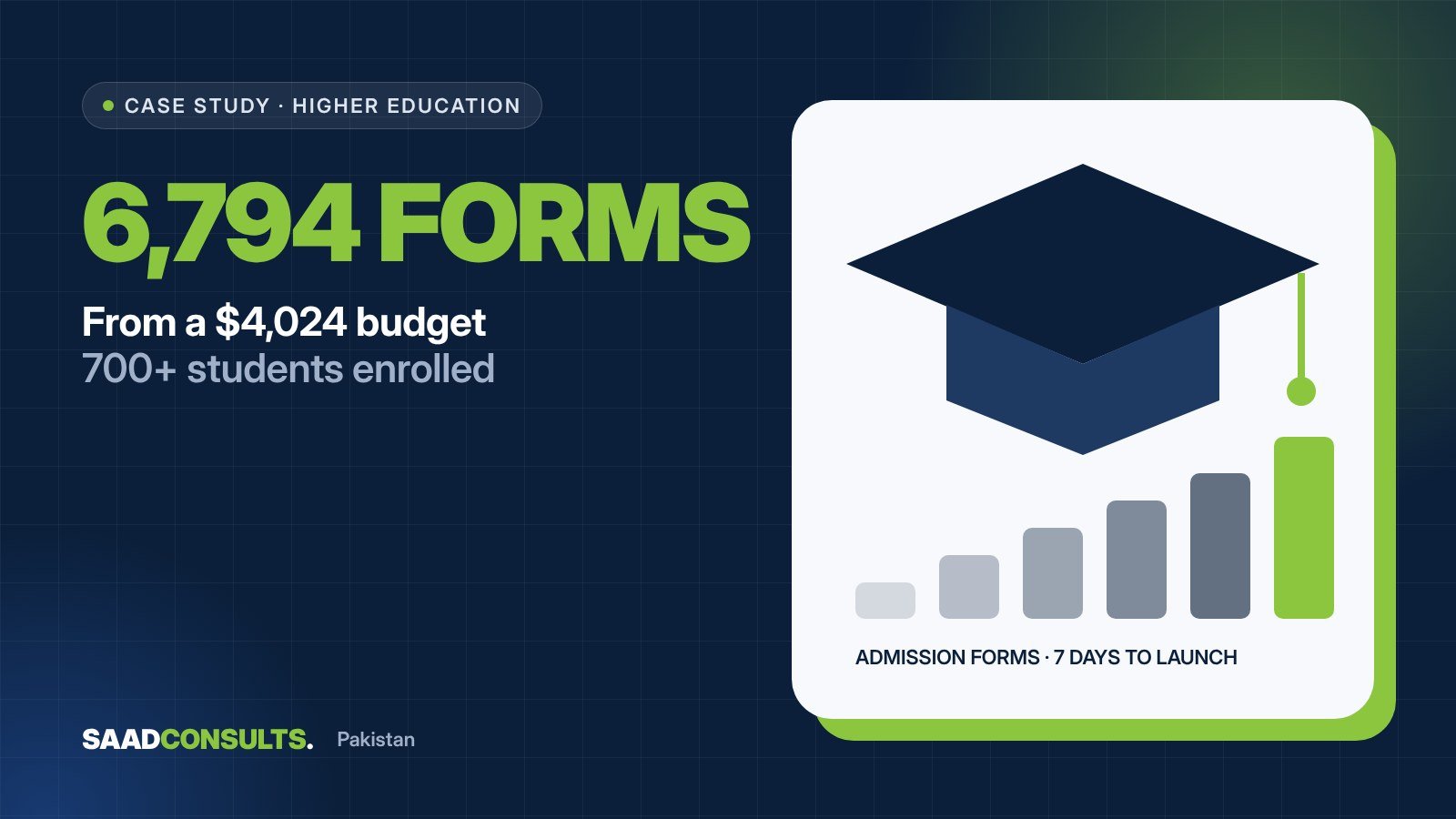
Yes, if it is spent in the right places. In my university case, around $4,024 produced 6,794 admission forms because the targeting, landing pages and data connection were right. Small budgets leave less room for testing, so focus matters more: one or two channels, clear tracking and a strong offer. Bigger budgets do not fix a weak funnel.
What is a marketing turnaround?
A marketing turnaround is the work of taking a business whose sales or lead flow is declining and getting it back to growth. It usually starts with an audit of ads, tracking, website and offer, then fast fixes to stop the waste. Since 2022 I have turned around 50 declining businesses, all back to growth, typically stabilised within 30 days.
Why do digital marketing campaigns fail?
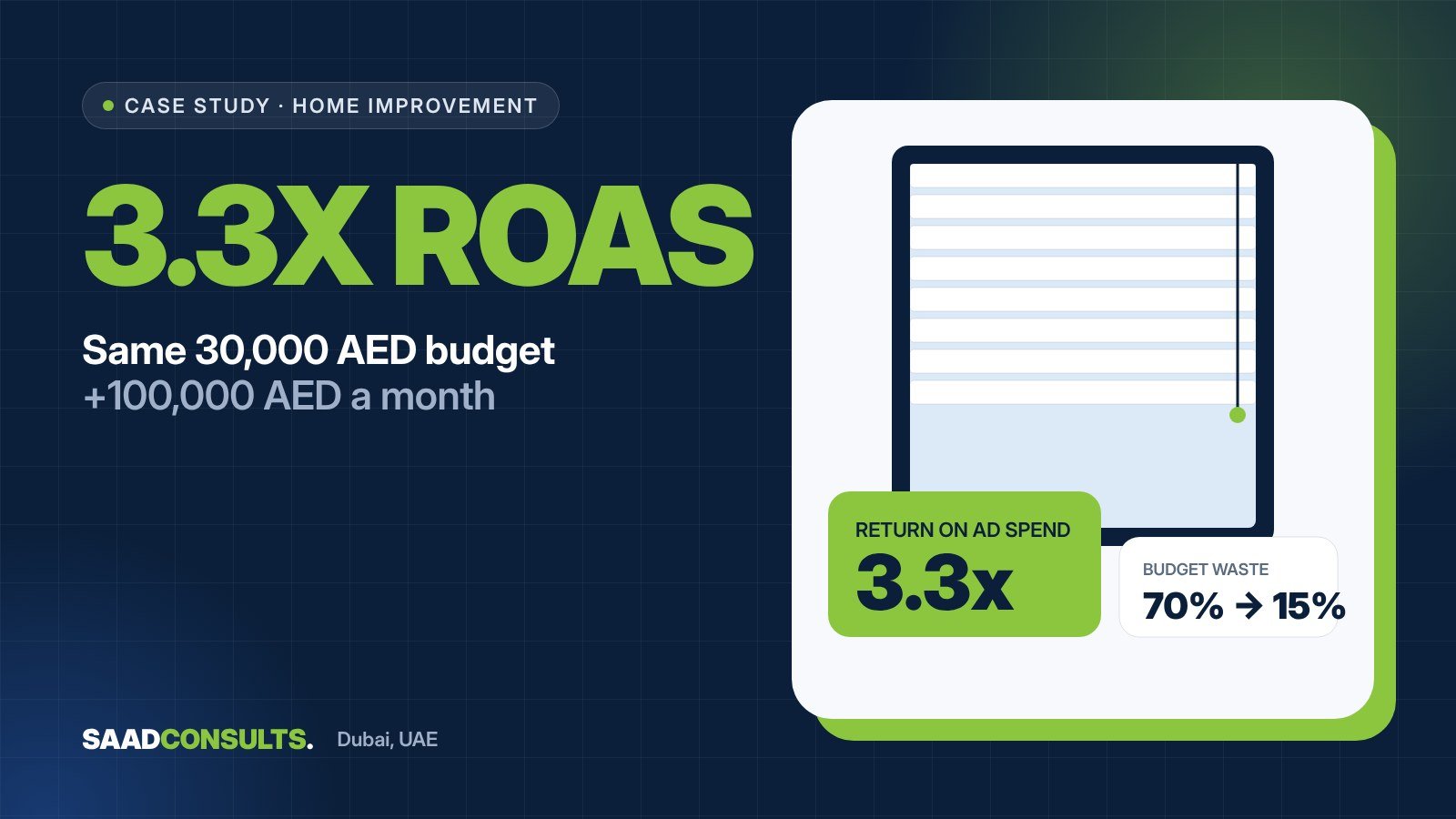
Most campaigns fail for a handful of reasons: broken or misleading tracking, targeting that is too broad, a weak offer, slow or confusing landing pages, and no feedback from sales on lead quality. Budget is rarely the main problem. In the Dubai blinds case, the same 30,000 AED budget reached 3.3x ROAS once tracking and structure were fixed.
Do you share client names in case studies?
Only where the client is comfortable with it. Many businesses prefer not to have their marketing numbers linked to their brand, so I describe them by sector and market instead. The figures and methods are real. If you are seriously considering working with me, I can explain any case in more depth on a call through the contact page.
Can you get similar results for my business?
I cannot promise the same numbers, because every market and business is different. What I can do is apply the same disciplined process: audit, fix tracking, find where budget is wasted, then test and scale. The quickest way to find out what is realistic is a free marketing audit, where I look at your actual accounts and data.
What platforms were used in these case studies?
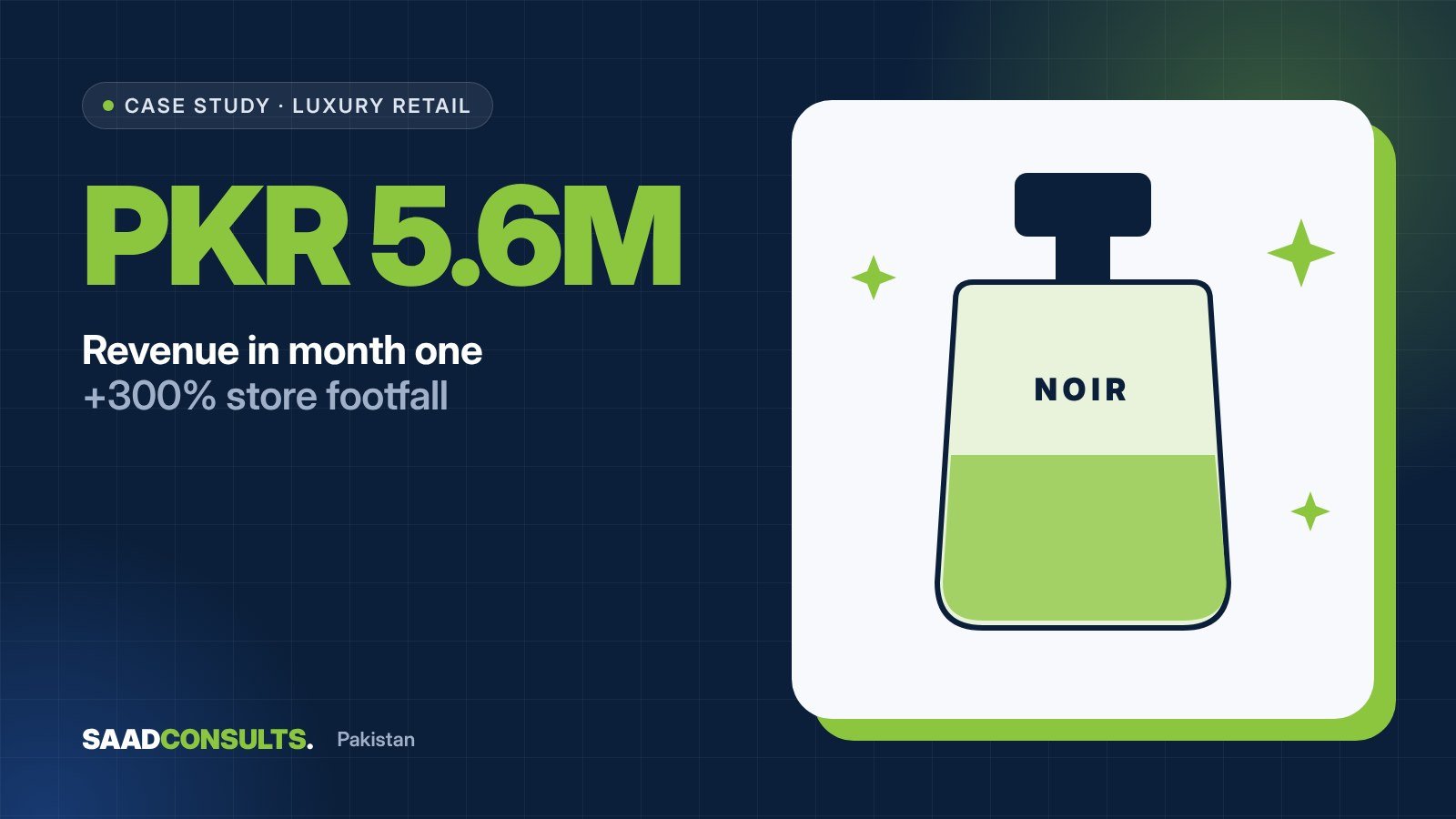
Mostly Google Ads (search, Performance Max and YouTube), Meta (Facebook and Instagram), email, SEO and conversion rate work on websites. A few involved TikTok and display networks. The platform choice always followed the audience: for example, YouTube sequencing for luxury architecture buyers and geo-fenced Meta ads around fragrance outlets.
How do you measure ROI on digital marketing?
ROI is the profit a campaign generates compared with what it cost, including ad spend and fees. To measure it properly you need tracking that follows a lead or order through to a confirmed sale, which often means connecting ads to your CRM, ERP or store data. Without that link, you are measuring activity, not return. My CRO and tracking work covers this.