“Will Google ban my site if I use ChatGPT?” I get this question in almost every training session now. Usually from someone who has already published fifty AI articles in a month, or someone too scared to use AI at all.
Both are reacting to the wrong thing. Google’s own wording is clear, and it isn’t about the tool.
Key takeaways
- Google targets scaled content abuse: many pages made to manipulate rankings, “no matter how it’s created”.
- After its March 2024 update, Google reported 45% less low-quality, unoriginal content in results.
- AI is fine as an assistant. Pages with no real experience, no checked facts and no reason to exist are the problem.
- The safest test: would this page still be worth publishing if search engines didn’t exist?
What does Google actually say about AI-generated content?
The spam policy is about intent and value, not tools
Google’s spam policies define scaled content abuse as “when many pages are generated for the primary purpose of manipulating search rankings and not helping users”. The same section adds that this usually means large amounts of unoriginal content with little value, “no matter how it’s created” (Google Search Central, spam policies).
One of Google’s own examples is using generative AI tools to create many pages without adding value. Note the last four words. The tool isn’t the offence. The missing value is.
Google’s guidance on how content is made
Google’s helpful content guidance suggests looking at content through “Who, How and Why”. It recommends clear authorship and says AI disclosures are useful where a reader might reasonably ask how something was made. It also says that using automation, including AI, mainly to manipulate rankings breaks its spam policies (Google, creating helpful content).
What happened in Google’s March 2024 update?
In March 2024 Google announced new spam policies and a core update aimed at “low-quality, unoriginal content”. It expected to cut that content in results by 40%. On 26 April 2024 it updated the post: the rollout was complete and results showed 45% less low-quality, unoriginal content than expected before (Google, March 2024 update).
| Date | What Google did | What it means for you |
|---|---|---|
| 5 March 2024 | New policy against scaled content abuse, plus a core update | Bulk pages without value became a spam issue, AI or not |
| 19 April 2024 | Rollout completed | Sites relying on thin, mass-produced pages lost visibility |
| 26 April 2024 | Google reported 45% less low-quality, unoriginal content (target was 40%) | The clean-up went further than Google itself expected |
Source: Google Search blog, 5 March 2024, updated 26 April 2024. Google did not publish how many sites were affected.
So what actually gets a website into trouble?
Effortless content at scale
Fifty articles a day, published without reading. Five hundred city pages where only the city name changes. FAQ blocks written by AI to impress AI. I call this effortless content: zero effort, zero value. It’s exactly the pattern Google describes.
Content with no experience in it
An AI tool has never sat across from a business owner in Lahore. It can’t tell you which campaign failed last Ramadan or why. When every page on a topic says the same generic things, Google has no reason to rank yours, and readers have no reason to trust you.
Facts nobody checked
AI sounds confident even when it’s wrong. A wrong statistic or an invented example damages trust with readers long before it affects rankings.
Find out where your marketing is leaking money. Free.
Share a few details and I'll personally review your marketing. You get an honest report on what's working, what's wasting budget and what I'd fix first. No pitch and no obligation.
- 01Paid ads reviewGoogle, Meta, TikTok & Snapchat: structure, targeting and wasted spend.
- 02Tracking & analytics checkGA4, tags and conversions, so your numbers can be trusted.
- 03SEO & AI search visibilityHow you rank on Google and whether AI assistants mention you.
- 04Funnel & conversion leaksWhere visitors drop off, plus your 30-day action plan.
What could your ad budget return?
How do I use AI on my own website?
I use AI every day for research and first drafts. But I made a few rules for my own site, and I follow them even when it slows me down.
One topic a day, no more
I publish at most one topic a day, every day, at the same time. Language versions go out together. It keeps quality up and gives Google a steady rhythm instead of a flood.
Every number checked
Every statistic on my site links to where it came from. If I can’t find a source, the number doesn’t go in. AI helps me find sources faster; it never gets to be the source.
What if your traffic already dropped after an update?
Check whether it’s a manual action or an algorithm change
Open Google Search Console and look at the Manual actions report. If a human reviewer at Google found a spam problem, it’s listed there, with the reason. If the report is empty but traffic fell around the date of a core or spam update, it’s an algorithmic change, and there will be no message at all. The fix is different for each, so start here before changing anything.
Sort your pages into keep, improve and remove
Export your pages with their clicks from the last few months. Pages that still bring visitors and answer a real question: keep them and improve them. Thin pages that exist only to target a keyword variation: merge them into a stronger page or remove them. Pages full of unchecked AI text on topics you know well: rewrite them with your own experience and real numbers.
Recovery from an algorithmic drop usually takes months, not days, because Google needs to recrawl and reassess the site. That’s why prevention is so much cheaper than repair.
What mistakes do businesses make with AI content?
- Publishing in bulk to “catch up” with competitors. Publish less, publish better. One page per real question, with a reason to exist.
- Letting AI invent examples and statistics. Use your own cases and data, and link every external number to its source.
- Deleting everything after an AI detector warning. Improve the page instead: add real experience, cut filler, check facts, and keep what’s useful.
Frequently asked questions
Can Google detect AI-written content?
Google hasn’t said it ranks pages by whether AI wrote them. Its policies focus on value and intent: content made at scale to manipulate rankings is spam however it’s produced.
Should I tell readers I used AI?
Google suggests disclosure where readers would reasonably expect it, for example where they might ask how something was made. Clear authorship helps either way.
Is it safe to use ChatGPT for blog posts?
Yes, as a helper. Add your own experience, check every fact and publish only pages that answer a real question better than what’s already out there.
How many articles can I publish without risk?
There’s no published limit. The risk comes from low value at scale, not a number. A steady rhythm of genuinely useful pages is safer than bursts of thin ones.
Sources
- Google Search Central: spam policies (scaled content abuse)
- Google: New ways we’re tackling spammy, low-quality content on Search (5 March 2024, updated 26 April 2024)
- Google Search Central: creating helpful, reliable, people-first content
- Google Search Central: core updates
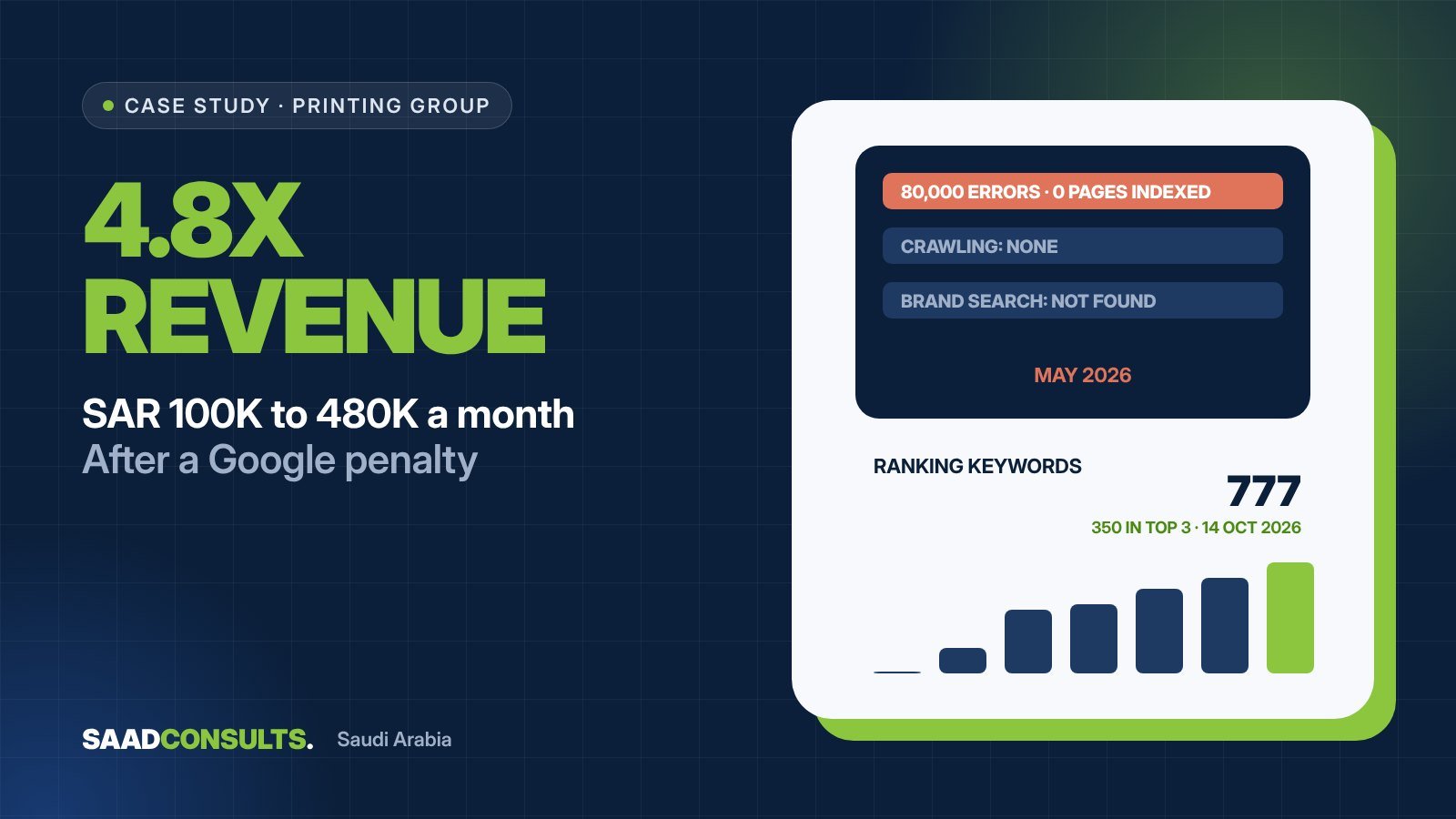
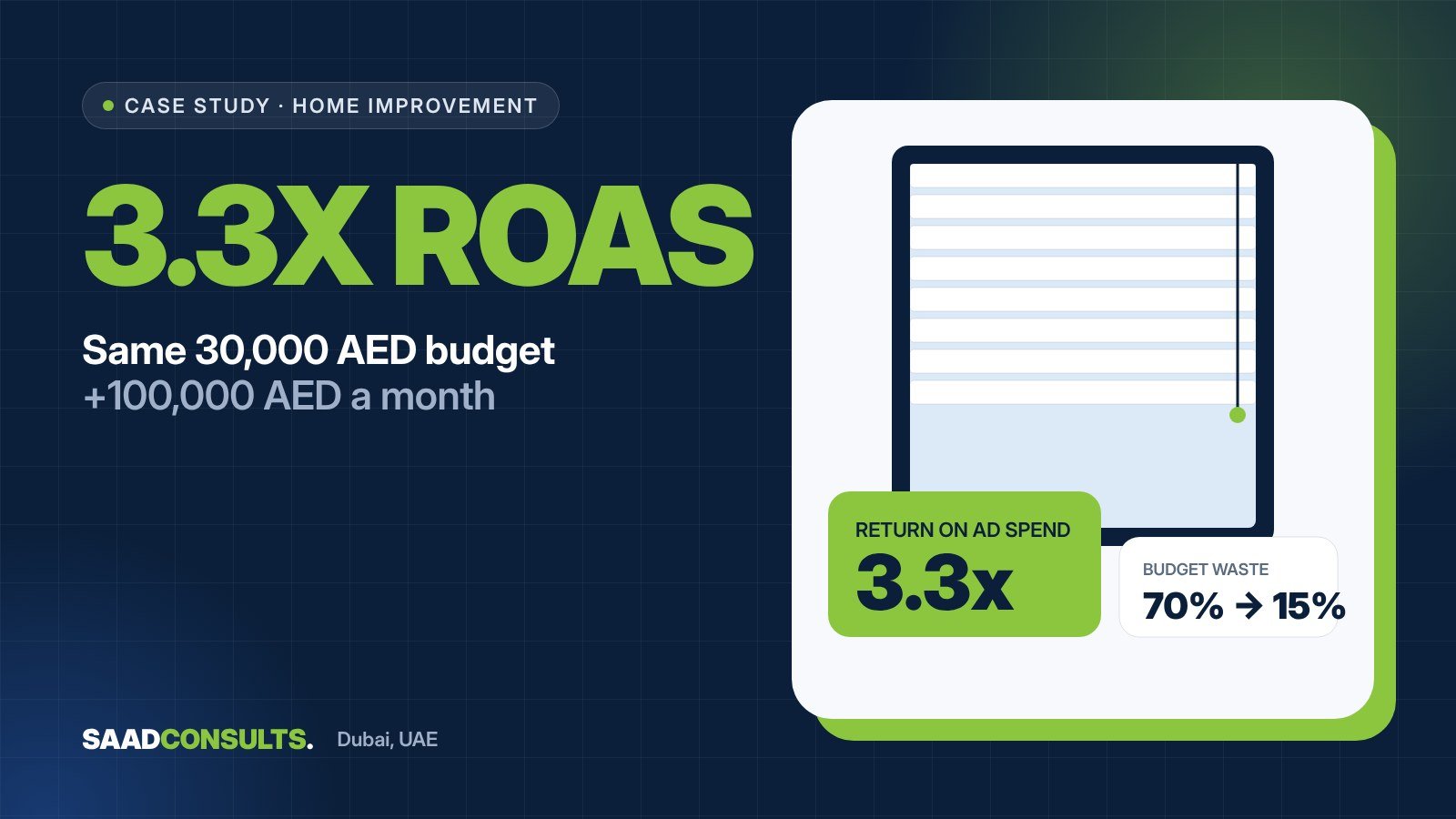
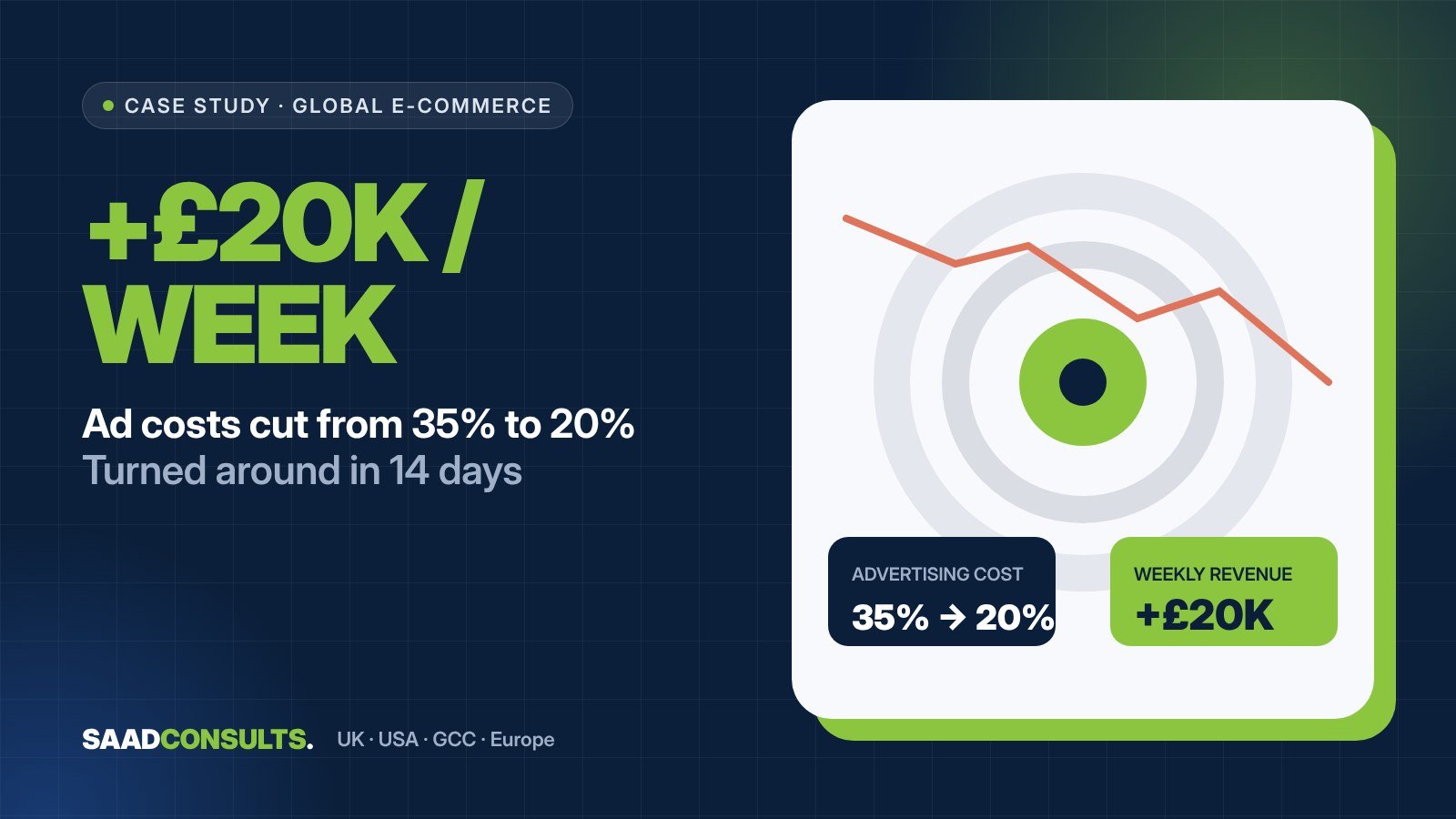
Client results are from my own projects; names are withheld.
Have a question about does Google penalize AI content that this guide did not answer? Send me the details and I will reply personally. Start with the free audit, or reach me on WhatsApp.

Saad is a digital marketing consultant and business growth strategist with 13+ years of experience, $200M+ in managed ad spend and 600+ clients worldwide. LinkedIn & profile →